
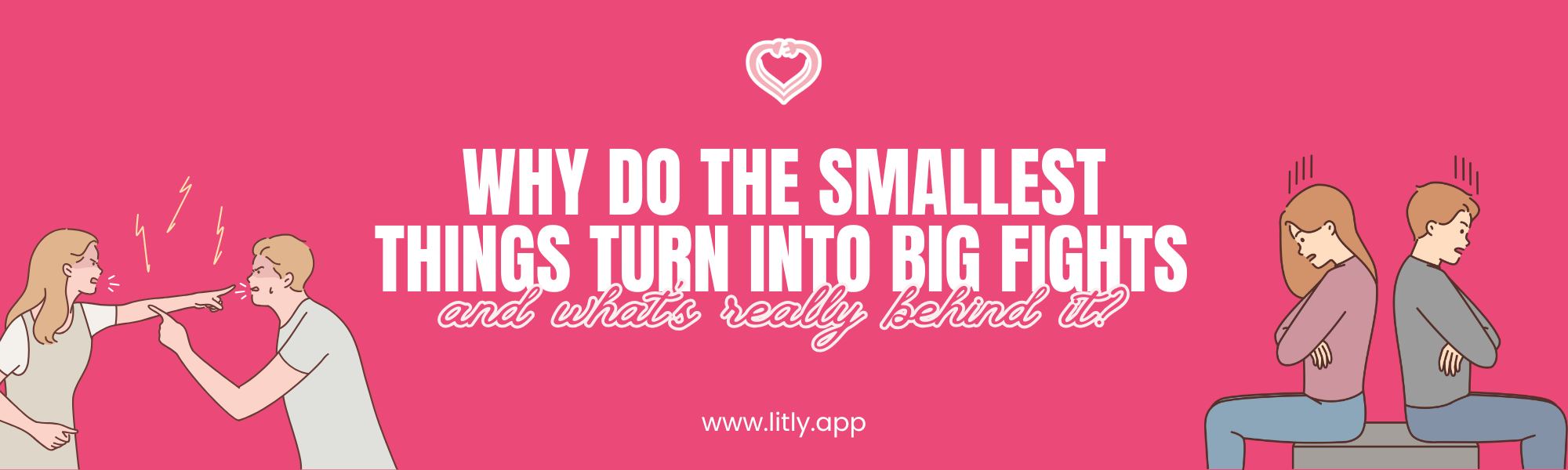
Have you ever found yourself in the middle of an argument that started with something as simple as forgetting to reply to a text or leaving the dishes in the sink? What begins as a minor frustration can spiral into something far more intense — leaving both partners confused, frustrated, and emotionally drained. So why do the smallest things sometimes lead to the biggest blowups?
The answer often lies beneath the surface — in timing, unspoken emotions, and subtle communication breakdowns.
It’s Rarely About the Dishes
Most recurring arguments aren’t actually about the thing that triggers them. The real issues are often emotional: feeling unheard, unappreciated, unsupported, or disconnected. When these feelings aren’t addressed over time, even the most mundane situations can serve as the spark that lights a deeper emotional fire.
What looks like a reaction to “a small thing” is usually a response to something bigger that hasn’t been said out loud.
Timing Matters More Than You Think
We don’t always choose the best moments to bring things up — and neither does our partner. When stress is high, energy is low, or emotional reserves are tapped out, even constructive conversations can feel like criticism or confrontation.
Knowing when not to engage is just as important as knowing what to say. Being mindful of each other’s emotional bandwidth can prevent small issues from becoming bigger than they need to be.
Emotional Buildup Is Real
Unexpressed emotions don’t disappear — they collect. Over time, those unspoken frustrations, unmet needs, or repeated micro-disappointments build internal pressure. Eventually, something gives. And often, it’s over something that seems disproportionately small on the surface.
The solution? Don’t wait for “the right moment” to say how you’re feeling. Create space for regular, low-stakes check-ins where both partners can express themselves before resentment sets in.
The Gap Between Intention and Impact
Another hidden culprit in small fights that escalate? Misunderstood intentions. What one person means as a light comment might land as criticism. What feels like a casual oversight to one partner may feel like a lack of care to the other.
We don’t always speak the same emotional language — and assuming our partner “should just know” only widens the gap.
So, What Can You Do Differently?
- Pause Before Reacting: Ask yourself, “Is this about what just happened — or something deeper?”
- Choose the Right Moment: Timing your conversations when both of you are more emotionally available can change everything.
- Be Curious, Not Critical: Replace blame with genuine curiosity. “Help me understand” goes further than “Why didn’t you?”
- Practice Micro-Connection: Small, consistent moments of appreciation and empathy can help release emotional pressure before it builds.
- Use Tools that Help You Tune In: Apps like Litly are designed to help partners better understand each other’s emotional patterns and timing — turning conflict into connection.
Final Thoughts
Small fights aren’t always about the surface issue. They’re often signals — signs that something deeper needs attention. By learning to listen more closely, time conversations more thoughtfully, and stay emotionally attuned, couples can turn those everyday tensions into powerful opportunities for understanding and growth.
Sometimes, the key to a better relationship isn’t fixing everything — it’s understanding what’s really going on underneath it all.
Leave a Reply